
Discover the Cognitive Blueprint Behind Your Child’s Math Success
Why Every Child’s Blueprint is Different?
No two children think the same way. Some can recall steps easily but lose focus, others reason well but struggle with fractions, and some take a long time to finish exams even though they understand the work.
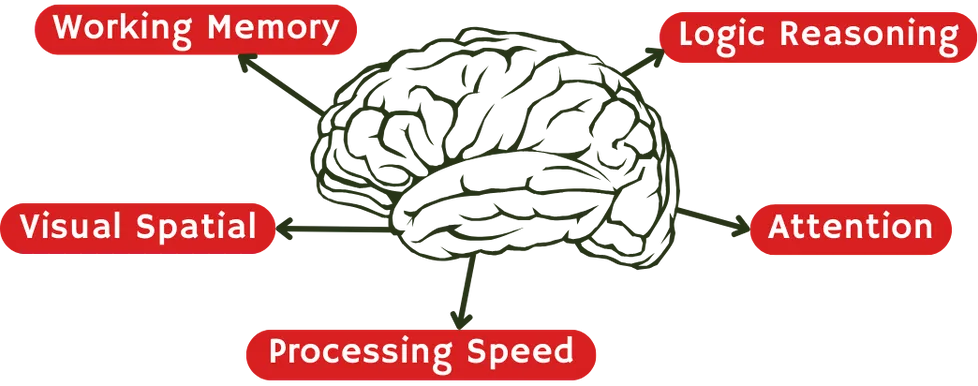
The truth is: these differences come from cognitive skills, the brain’s core abilities that drive learning. These include:
Working Memory – holding and applying steps in problem solving
Visual–Spatial Skills – seeing diagrams, patterns, part–whole relationships, and models
Logic Reasoning – connecting concepts instead of memorizing rules
Processing Speed – working quickly and accurately under time pressure
Attention – staying focused and avoiding careless mistakes
When even one of these skills is weak, learning feels harder than it should. That’s why many children work very hard, but their results don’t reflect their effort.
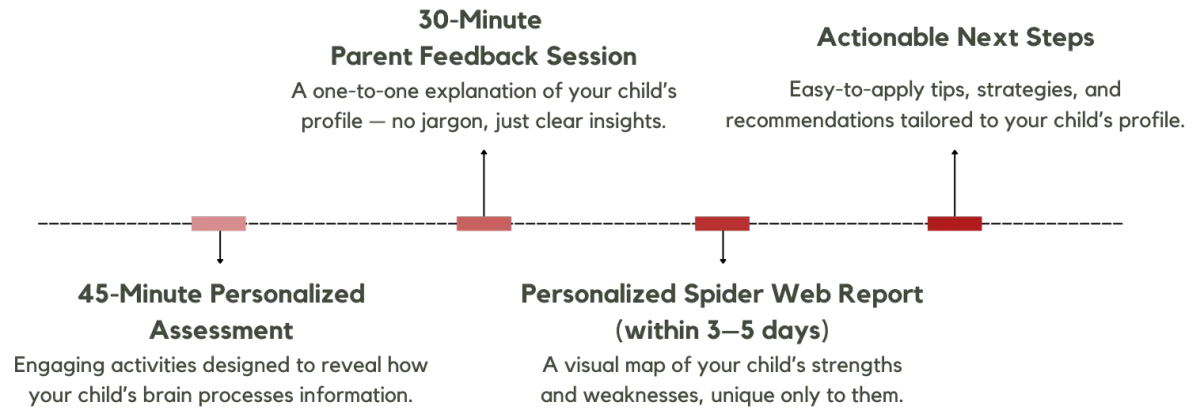
What’s Included In The Cognitive DA?
See the Difference a Blueprint Makes
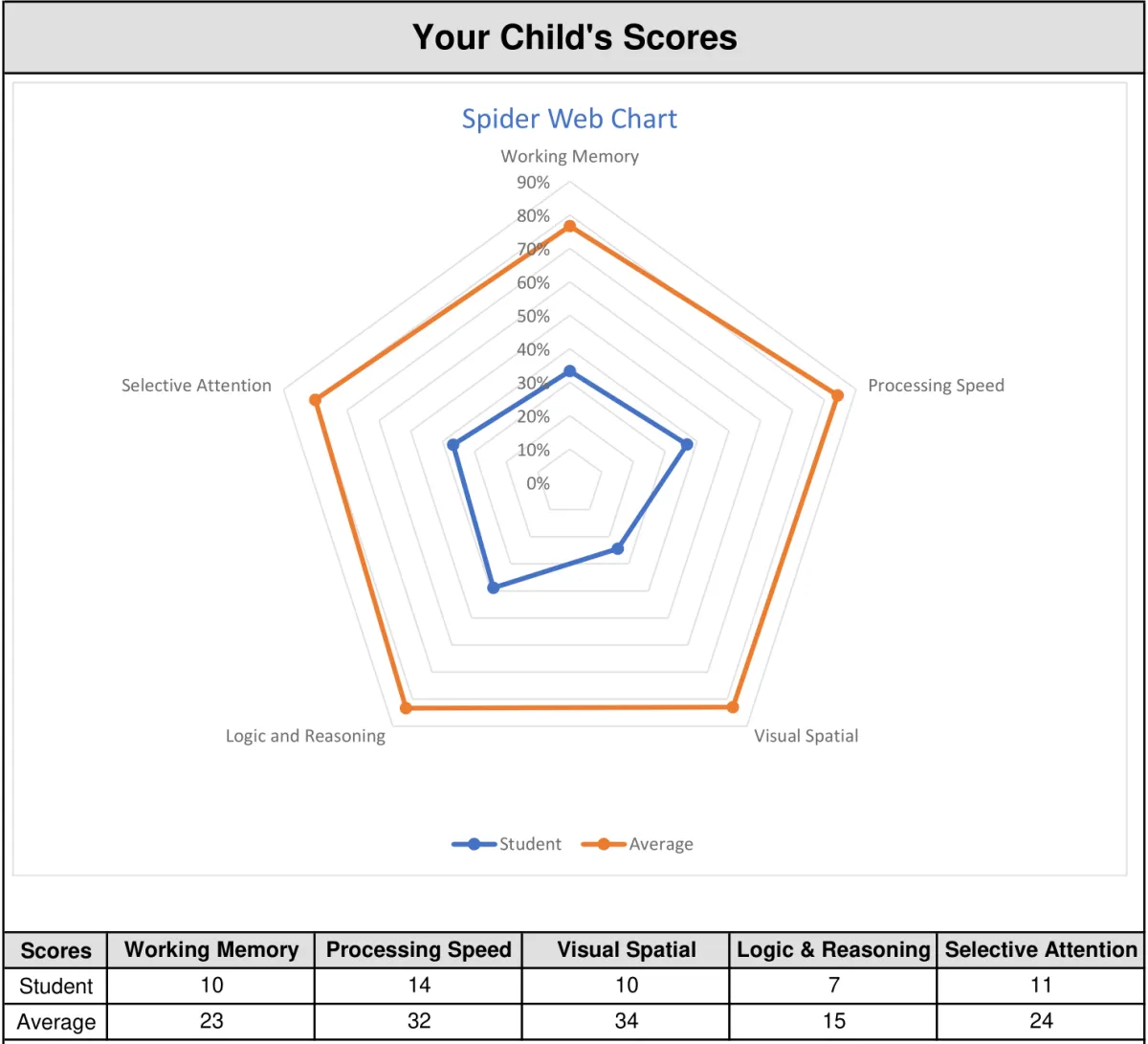
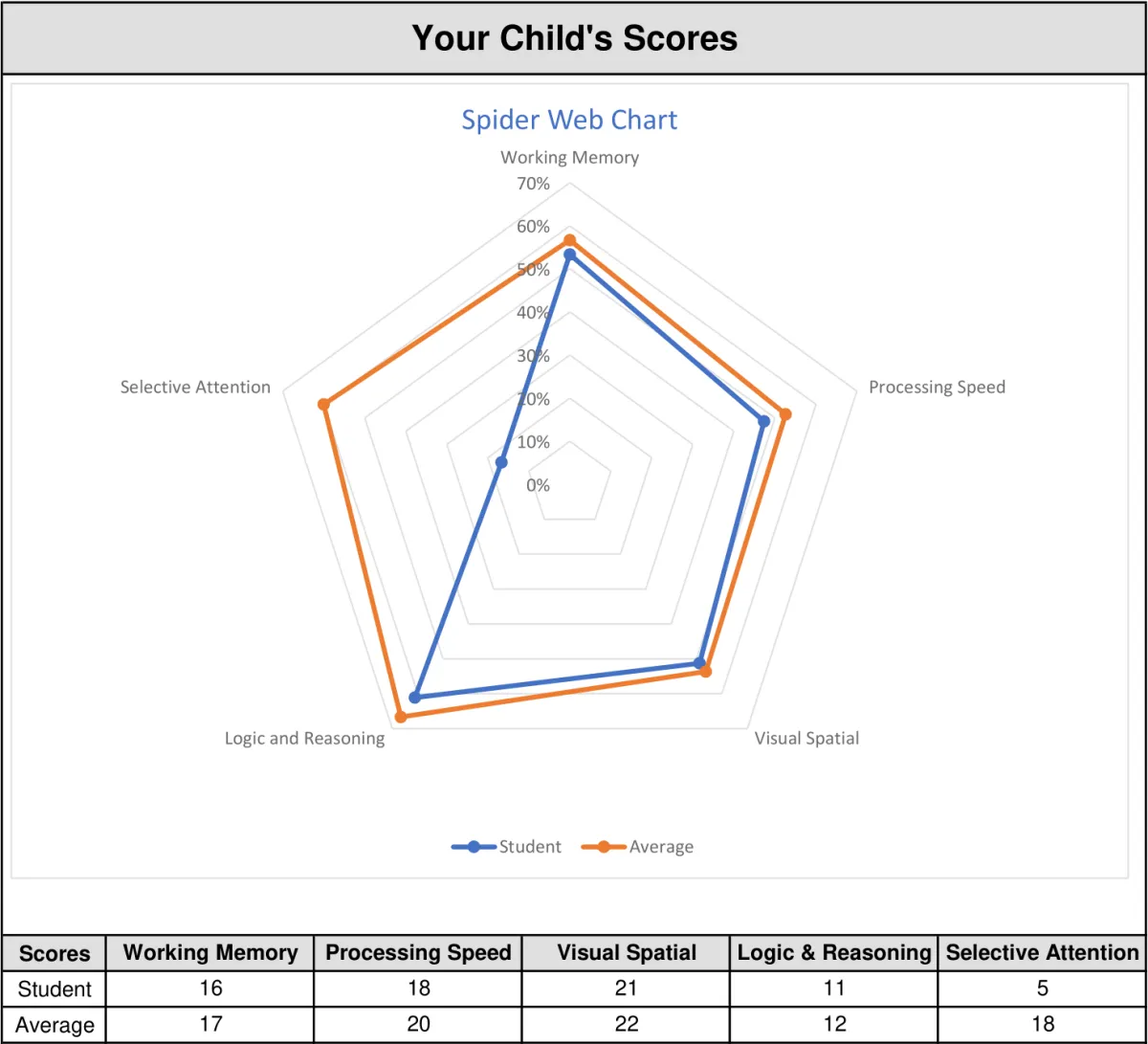
Two students may look equally hardworking but their blueprints tell different stories:
Student A: Multiple weak skills → needs targeted cognitive training before content teaching.
Student B: Only weak in attention → lighter intervention quickly restores performance.
With this level of clarity, you stop guessing and start acting on facts.
Why Now?
Math in P4 to P6 introduces higher-order, reasoning-based problems. Without a strong cognitive foundation, gaps widen and confidence drops.
👉 By discovering your child’s cognitive blueprint now, you can equip them early with the thinking tools to thrive, not just survive, as math gets tougher.
Book your child’s Cognitive Diagnostic Assessment today!
Stop guessing. Start with insights that are unique to your child, and give them the personalized pathway they deserve.
Book Your Cognitive
Diagnostic Assessment
Now!
Here’s how it works.
Complete Payment
Book A Session
Child Attends Cognitive Diagnostic Assessment
We Analyse And Create A Personalised Report
Receive Feedback And Recommendations
Intervention Programme Upon Agreement